hobbies
Hobbies for Men: A Practical Guide
A practical guide to hobbies for men, organized by time, space, and budget, with a starter table and basic tool-safety notes drawn from OSHA guidance.
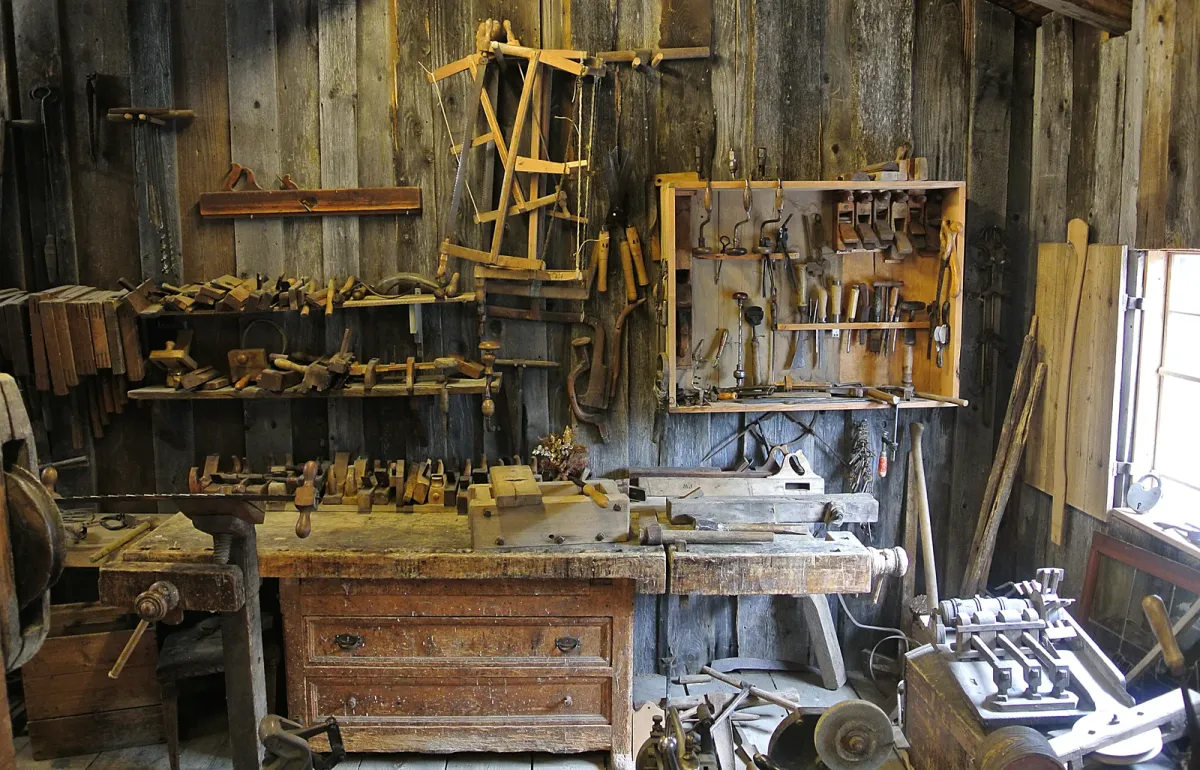
Pick the constraint first, then pick the hobby
“Hobbies for men” is a search phrase, not a rule about who is allowed to make things. The useful part of the question is practical: what can you start in the time, space, and budget you actually have, and what will you still want to do on a tired Wednesday?
A good first hobby is small enough to begin this month, specific enough that you know what “practice” looks like, and forgiving enough that a bad session is not a ruined week. A poor first hobby is one that requires a full shop, a rare partner, or a large purchase before you have tried the activity once.
If you are coming back to something you liked years ago, start at the easy end of it again. If your workdays are already physical, choose a hobby that uses a different kind of attention.
A starter map by time, space, and mess
Use this table as a filter, not as a ranking. Costs are described in relative terms because prices move and because “cheap” depends on whether you already own the tools.
| Hobby type | Time to a first finished thing | Space and mess | Typical starter outlay | Watch-outs |
|---|---|---|---|---|
| Cooking a new cuisine, or baking one style well | One evening | Kitchen you already have; cleanup is the tax | Low if you own pans; ingredients are the recurring cost | Heat, knives, and oil need the same care you would give them on a weeknight |
| Sketching, watercolor, or simple printmaking | One sitting | A table that can take a little pigment | Low to moderate: paper, a few colors, one good brush or pen | Do not buy a full studio set before you have used a small one |
| Home workshop hobbies: repairs, small wood projects, sharpening | A weekend | A bench, a corner, or a shared garage; dust and noise | Moderate if you already have basic hand tools | Eye and hearing protection, guards on power tools, and no loose clothing around spinning parts |
| Music practice (guitar, piano, harmonica) | First week if you accept “simple songs” as the goal | A chair and a case; apartments need a volume plan | Moderate for a usable instrument; high if you start with a fragile antique | A cheap instrument that will not stay in tune is a false economy |
| Garden or container growing | A season, with small wins earlier | A balcony, a sunny window, or a bed | Low to moderate: soil, a few containers, seeds or starts | Weight limits on balconies, and water drainage onto neighbors |
| Walking clubs, cycling, or a simple training log | First outing | Almost none at home | Low: shoes you already trust, or a bike that fits and brakes | Traffic, lights, and a route you have actually checked |
| Photography with a camera you already own, or a modest used one | One afternoon of shooting and editing | A bag and a table for the computer | Low if you use a phone well; moderate for a used camera | Do not buy a second lens to avoid learning the first one |
| Chess, languages, or other table hobbies | First session | A table, or a commute | Low | The hobby dies if you only buy apps and never schedule a game or a lesson |
| Community hobbies: volunteering, amateur sports, a maker space | First meeting | Shared space, often better than a home shop | Low to moderate; some spaces charge a membership | Show up twice before you pay for a year |
If two rows both fit, pick the one you can do without a second person's calendar. Partner hobbies are excellent later. They are a fragile start.
Home hobbies, including later in life
Home hobbies for men are often just home hobbies: cooking, fixing, growing, making, and learning in the same rooms you already pay for. The advantage is regularity. The risk is clutter. A hobby that slowly takes the dining table will be resented, including by you.
Give the activity a container. A single shelf, a roll-away cart, or a box that closes is enough for many crafts. If a project cannot be put away on Sunday night, it is too large for the room, or you need a different project.
For retired men, or anyone with more daytime hours than they used to have, the constraint is rarely time. It is purpose and social contact. A hobby with a weekly club, a class, or a reason to leave the house will often last longer than a solitary purchase. That is not a personality test. It is a scheduling fact. A standing Tuesday evening at a community workshop will beat an ambitious bench that you walk past.
Interesting hobbies for men in later decades are not a separate list. They are the same list with more attention to joints, hearing, eyesight, and recovery. Choose tools you can lift easily. Choose sports and walking routes you can exit early. Choose music or languages you can practice sitting down. Leave room for the fact that a new hobby should add life to the week, not demand a performance.
Workshop hobbies and a short safety note
If the hobby involves a blade, a bit, a grinder, or a spinning wheel, treat safety as part of the hobby, not as an optional preface. The Occupational Safety and Health Administration publishes plain guidance on hand and power tools, including the need for guards, the right personal protective equipment, and work that is secured before you cut. Two useful official starting points are the agency’s booklet on hand and power tools and its guide to the safe use of portable and hand-held power tools.
A compact version for a home bench:
- Wear eye protection that actually covers the side of the eye when you cut or grind.
- Unplug or remove the battery before you change a blade or a bit.
- Keep guards in place. A tool that “works better” with the guard off is a tool you are using wrong, or the wrong tool.
- Clamp the work. Your free hand is not a vise.
- Give dust and noise a plan: a mask rated for the dust you are making, hearing protection, and a window or extractor if you work indoors.
- Stop when you are tired or hurried. Most home accidents are not mysterious. They happen at the end of a session.
You do not need a contractor’s shop to enjoy wood, leather, or bicycle repair. You need one sharp tool you can control, a bench or a board you can clamp to, and a project small enough to finish.
How to start this month without a shopping spree
- Name the leftover time in a normal week, not a perfect week. If you have two hours on Saturday, that is the hobby’s container.
- Borrow or use what you own for the first session. A library card, a community class, a friend’s bench, or the pans already in the kitchen will tell you more than a new cart of gear.
- Define a first finished thing. One loaf, one repaired lamp, one page of drawing, one song you can play slowly, one planted box. “Get into woodworking” is not a first thing.
- Buy the next tool only after the first thing is done and you know what blocked you. The blocker is often skill or space, not a missing gadget.
- Put the next session on a calendar. Hobbies die in the gap between enthusiasm and the second Tuesday.
Great hobbies for men, in practice, are the ones that survive contact with your actual apartment, your actual budget, and your actual energy at 7 p.m. A modest hobby you repeat is a better life than an impressive hobby you describe.
If you want a social layer, add it early in a small way: one class or one club night. Do not let research about gear replace the hobby.
A short checklist before you spend money
- I can name a first finished project
- I know where the gear will live when I am not using it
- I can do the first session with tools I have, can borrow, or can rent
- The noise, smell, or mess is acceptable in this building
- I have the basic protective equipment if the hobby can throw chips, dust, or sparks
- I know whether I want this to be solitary or social
- I have a second date on the calendar, not only a receipt
If you cannot check most of those boxes, shrink the project. Do not upgrade the cart.
Questions people ask when they want a hobby and do not know where to start
What are genuinely interesting hobbies if I am bored of screens?
Anything with a physical result you can hold, or a place you have to go, will feel different from another app. Cooking, a walking group, a repair project, a language practiced with a real partner, or a modest instrument all pass that test. Interest is less important, at the start, than a session you can finish.
What are good hobbies for retired men who do not want a messy shop?
Look at clubs, classes, and table hobbies: music, chess, languages, community gardens, volunteering, photography walks, or a cooking routine with one new dish a week. A community workshop can still be useful if you want to make things without storing a table saw at home.
How much should I spend on a first setup?
Spend enough to make the first project possible, and not enough that the purchase has to be “worth it” before you have tried the work. If a beginner setup requires a special financing plan, it is the wrong first setup. Borrow, buy used, or start smaller.
I keep abandoning hobbies. What should change?
Shrink the finish line and fix the schedule. A hobby with a two-hour weekly slot and a project you can complete in a few sessions will tell you, quickly, whether you like the work. A hobby that begins with a large order of tools only tells you that you like shopping.